
๐Ÿ HighTechBee โ€” practical tech help, in plain English.
โœ๏ธ Write for us ๐Ÿ“ฉ Contact โ˜€๏ธ โ— Updated daily

Safe Online Shopping: Spot Scams & Protect Your Money

PS
Priya SharmaSecurity researcher ยท HighTechBee Editorial
Safe Online Shopping: Spot Scams & Protect Your Money

We all buy online โ€” it's convenient, and the deals can be great. But the internet is also full of scams, fake products and deceptive sellers. A bad online purchase isn't just a waste of money; it can also expose you to fraud or identity theft. The good news: a few smart habits make online shopping safe and successful.

This guide covers how to shop online safely โ€” checking sellers, spotting scams, protecting your payment, and knowing your rights.

Buy from reputable sellers

Where you buy matters. Here's how to evaluate a seller:

  • Shop on reputable sites. Big, established marketplaces and stores are safer than random websites.
  • Check the seller's ratings and reviews. Look at the seller, not just the product listing.
  • Read reviews carefully. Watch for patterns โ€” a product with many reviews mentioning problems is a red flag.
  • Beware of fake reviews. Extremely similar glowing reviews or a sudden flood of them can indicate fakes.
  • Check the return policy. Know what you're entitled to if the item isn't right.
  • Buying from reputable sellers with genuine reviews dramatically reduces the chance of a bad or fake product.

    Spot too-good-to-be-true deals

    Scammers lure you with unbelievable prices. Here's how to tell a deal from a trap:

  • Compare prices. If a product is far cheaper than everywhere else, ask why. A big discount on a popular item is a warning sign.
  • Check the domain. A deal from a slightly misspelled or unfamiliar domain is risky.
  • Watch for pressure. "Only 2 left!" and countdown timers create urgency to make you act without thinking.
  • Be suspicious of requests to pay outside the platform. Paying "off-platform" removes buyer protection.
  • โš ๏ธ "Too good to be true" is a warning

    If a deal is far below every other price, especially on a popular item, it's likely a scam or counterfeit. Scammers use irresistible prices to attract victims. Trust your instinct โ€” if the deal seems too good to be true, it probably is.

    Pay safely

    How you pay matters for both convenience and protection:

  • Use a credit card where possible. Credit cards often offer better fraud protection than debit cards.
  • Use secure payment methods. Established payment services (like PayPal or trusted checkout systems) add a layer of protection.
  • Never pay by bank transfer or wire to unknown sellers โ€” those are hard to recover.
  • Check for a secure connection. The site should show a padlock (HTTPS) in the address bar before you enter payment details.
  • Paying with a credit card and a secure payment method gives you the best protection if something goes wrong.

    Protect your information

    Online shopping requires sharing payment and address info. Protect it:

  • Use a strong, unique password for shopping accounts, via a password manager (see our guide).
  • Turn on two-factor authentication for shopping accounts (see our 2FA guide).
  • Don't save card details on sites you don't fully trust.
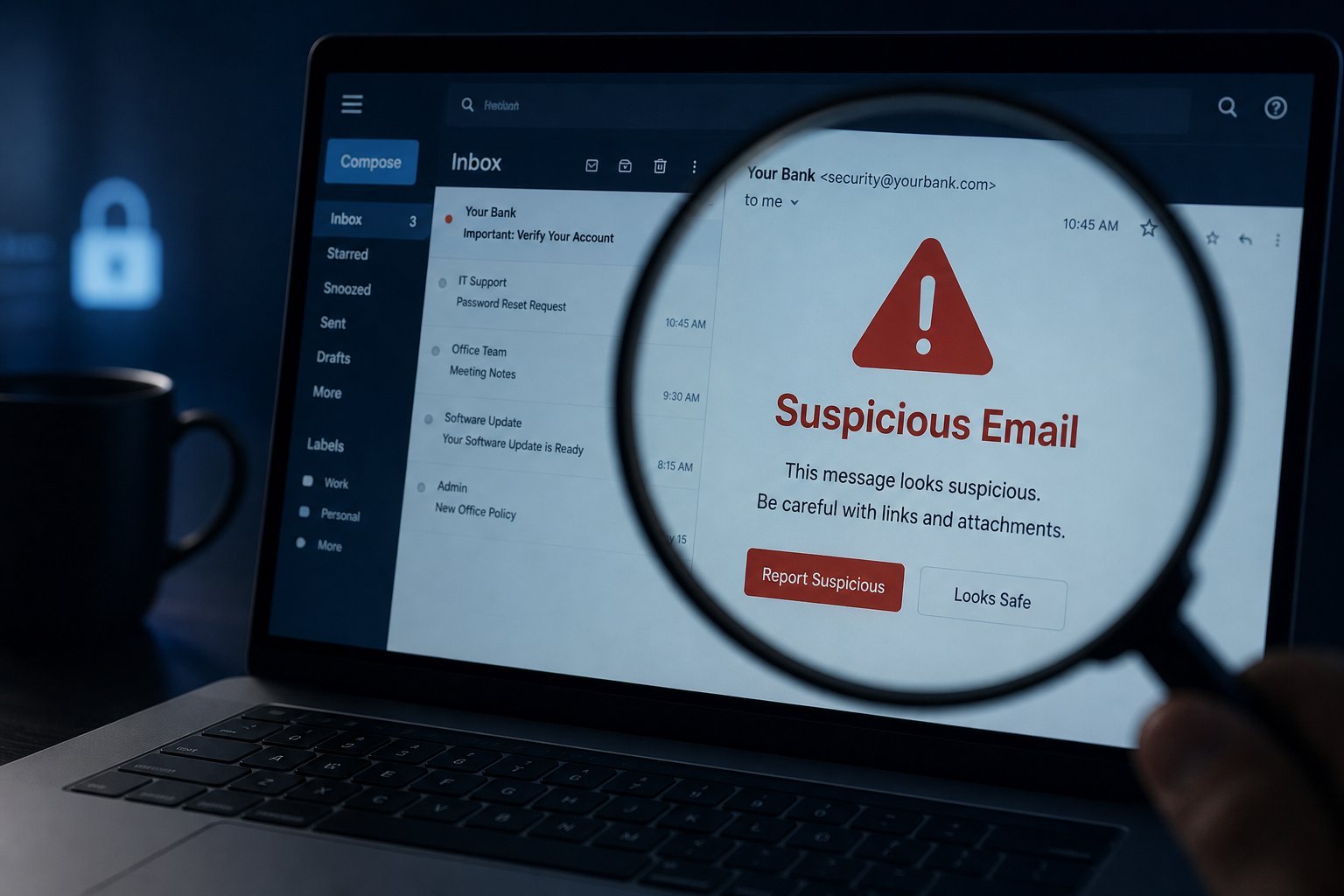
  • Watch for phishing โ€” fake order confirmation emails and "shipping" messages with links (see our phishing guide).
  • Check your statements. Review charges regularly for anything unfamiliar.
  • โœจ Verify order emails carefully

    Scammers send fake "order confirmation" or "shipping update" emails with links that lead to phishing sites. If you get an unexpected order email, don't click the link โ€” go directly to the retailer's site or app to check your orders.

    ๐Ÿ“Œ Bottom line

    Safe online shopping comes down to a few habits. Buy from reputable sellers and read reviews carefully. Beware of too-good-to-be-true deals and never pay outside the platform. Pay with a credit card or secure payment method, and check for HTTPS. Protect your information with strong passwords, two-factor authentication, and awareness of phishing. A little care keeps your money and identity safe while you enjoy the convenience of online shopping.
    #online-shopping#scams#fraud#buying#security
    PS

    Priya Sharma

    Security researcher

    Part of the HighTechBee editorial team. Priya Sharma writes practical, beginner-friendly tech guides that solve real everyday problems.