๐Ÿ HighTechBee โ€” practical tech help, in plain English.
โœ๏ธ Write for us ๐Ÿ“ฉ Contact โ˜€๏ธ โ— Updated daily

Mobile Payments Explained: How They Work & Are They Safe?

PS
Priya SharmaSecurity researcher ยท HighTechBee Editorial
Mobile Payments Explained: How They Work & Are They Safe?

Mobile payments have gone from futuristic to everyday. Instead of carrying cash or a card, you can tap your phone to pay, send money to friends, and manage money digitally. It's convenient โ€” but it also raises questions about security and whether it's safe.

This guide explains how mobile payments work, the different types, and how to use them safely.

The types of mobile payments

Mobile payments come in a few forms:

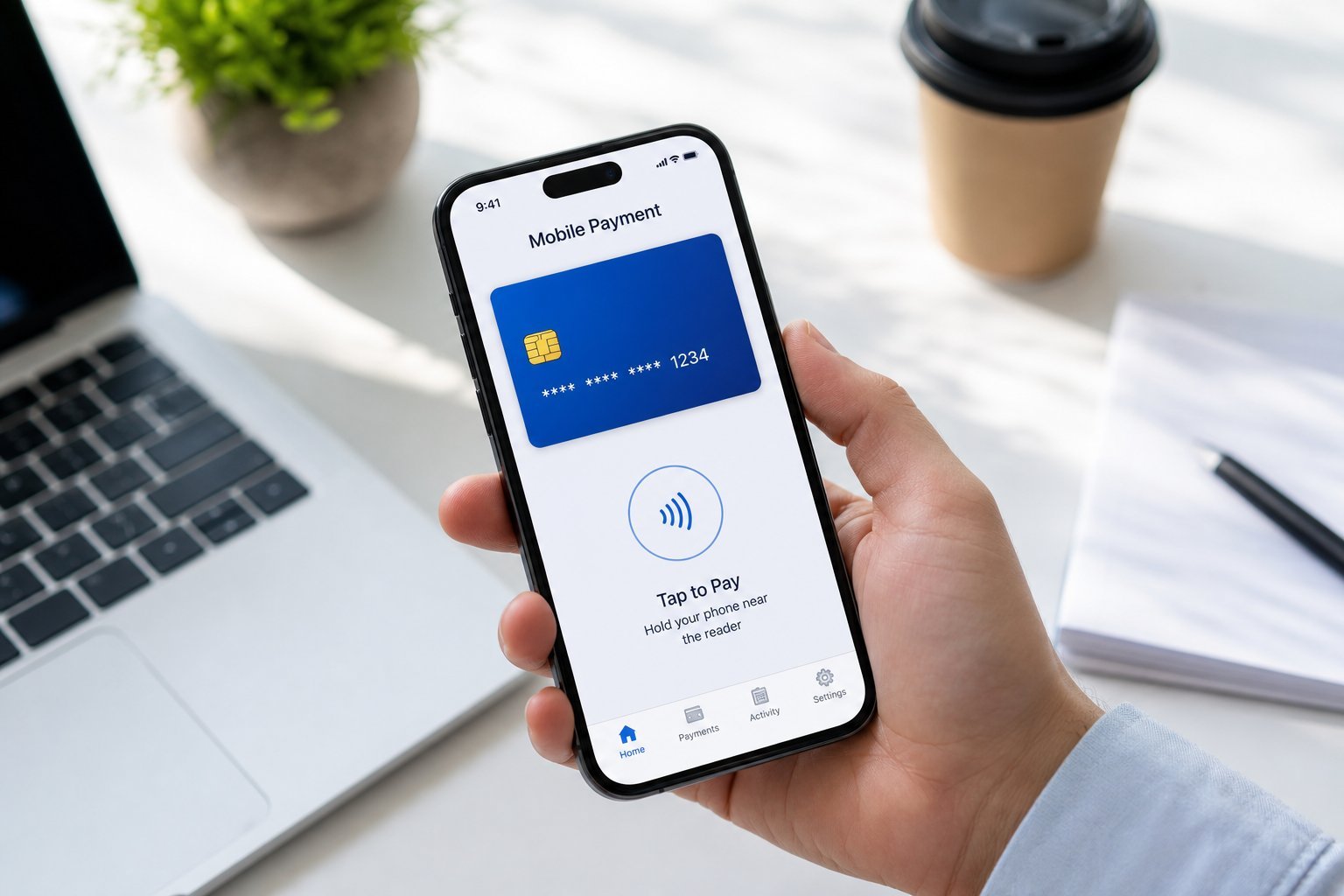
  • Tap-to-pay (NFC). Hold your phone near a payment terminal to pay โ€” like a contactless card. Apple Pay, Google Pay, Samsung Pay.
  • In-app payments. Paying for purchases within apps or websites using a saved payment method.
  • Peer-to-peer transfers. Sending money to people (friends, family) via apps like Venmo, Zelle or similar.
  • QR code payments. Scanning a QR code to pay โ€” common in many regions and shops.
  • Each type serves a different purpose. Tap-to-pay replaces your card; peer-to-peer replaces cash between people.

    How they work

    Here's how mobile payments work under the hood:

  • You link a card or bank account to the payment app.
  • For tap-to-pay, your phone uses a secure chip (NFC) to communicate with the terminal and a token (a unique, one-time code) instead of your actual card number.
  • The tokenization means your real card number isn't shared with the merchant โ€” adding security.
  • For peer-to-peer, money moves between accounts through the app.
  • The key security idea is tokenization โ€” your phone doesn't transmit your real card number; it uses a unique code per transaction. That's why tap-to-pay is considered very secure.

    Are they safe?

    Mobile payments are generally very safe โ€” in many ways safer than a physical card:

  • Tokenization keeps your real card number hidden from merchants.
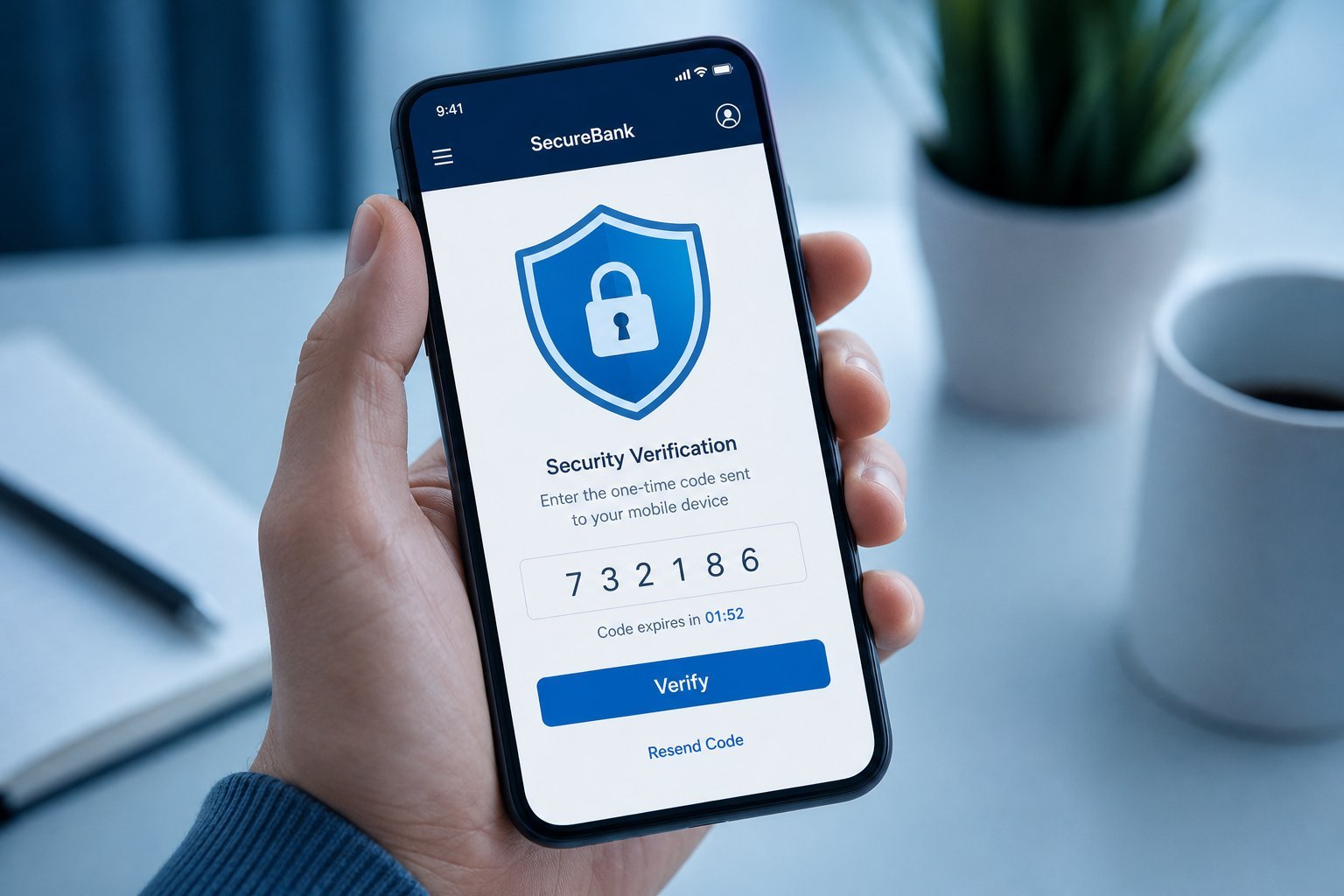
  • Authentication. Most require fingerprint, face or a PIN to pay โ€” so a stolen phone alone isn't enough.
  • Transaction alerts notify you of activity.
  • No card to skim. Unlike physical cards, your number isn't in a terminal that could be tampered with.
  • ๐Ÿ’ก The honest answer

    Mobile payments are very safe โ€” often safer than a physical card. Tokenization hides your real card number, and biometric/PIN authentication means a lost phone can't be used to pay. The main risks come from how you use your phone (weak lock, phishing), not from mobile payments themselves.

    Tips for safe use

    Here's how to use mobile payments safely:

  • Lock your phone with a strong PIN or biometrics โ€” this protects your payment apps (see our safety checklist).
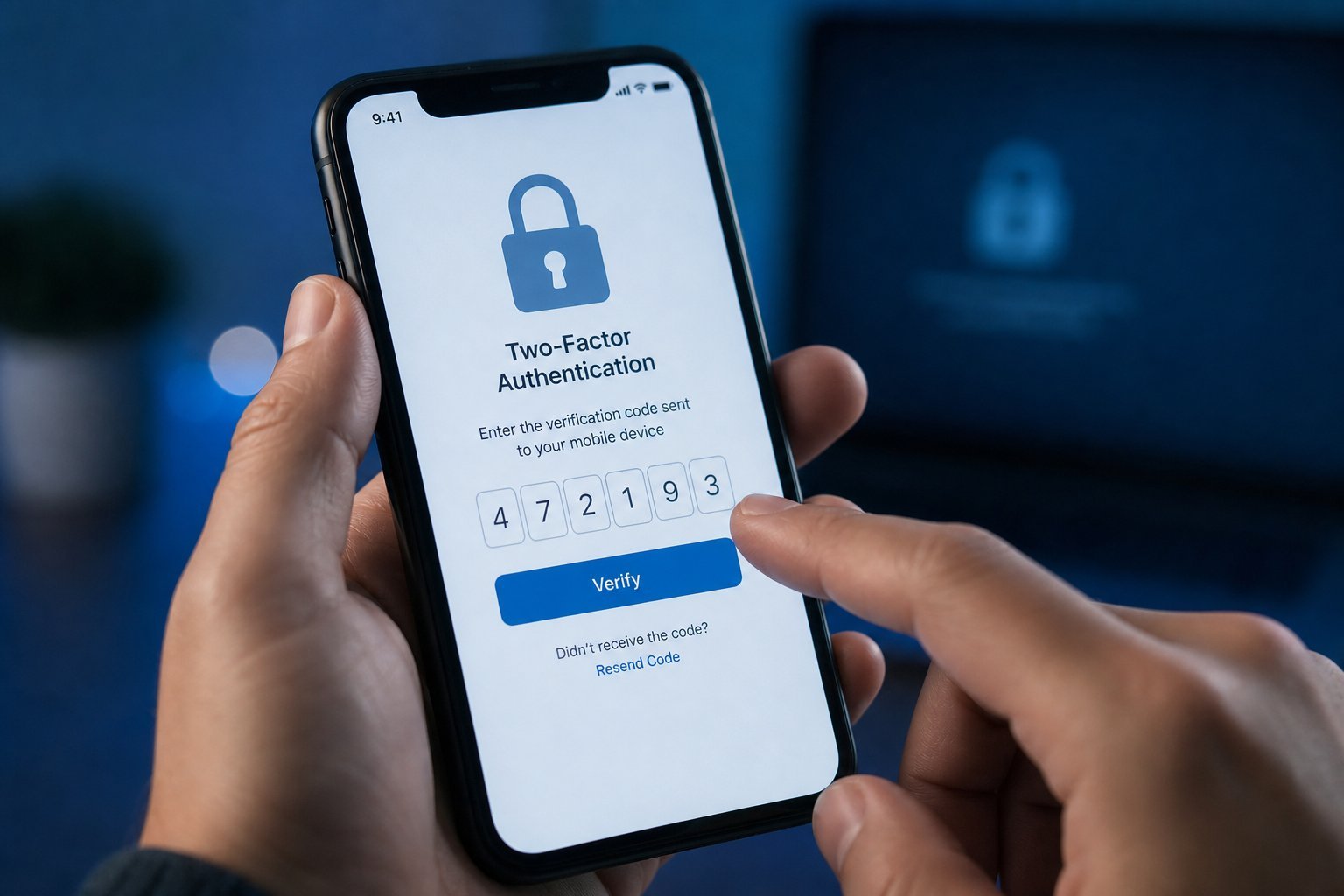
  • Enable 2FA on your payment and banking apps (see our 2FA guide).
  • Don't add cards to a device you don't fully control.
  • Beware of phishing. Scammers send fake payment notifications with links โ€” verify through the official app (see our phishing guide).
  • Review transactions and set up alerts.
  • Use "find my device" so you can lock or wipe a lost phone.
  • โš ๏ธ Beware peer-to-peer scams

    Peer-to-peer payment apps are popular with scammers because transfers are often irreversible. Never send money to a stranger or "seller" you don't trust, and be suspicious of anyone asking you to pay via peer-to-peer for goods or services. Once sent, it's usually gone.

    โœจ Verify payment notifications

    If you get a payment confirmation, a refund notice, or a request for payment you didn't expect, don't click links in the message. Open your official payment app directly to verify. Phishers use fake payment alerts to steal logins and money.

    ๐Ÿ“Œ Bottom line

    Mobile payments โ€” tap-to-pay, in-app, peer-to-peer and QR โ€” are convenient and, thanks to tokenization and biometric authentication, very safe (often safer than a physical card). Use them safely by locking your phone, enabling 2FA, watching for phishing, and reviewing transactions. Beware of peer-to-peer scams, since those transfers are often irreversible. With good habits, mobile payments are a secure, convenient way to pay.
    #mobile-payments#apple-pay#google-pay#security#tap-to-pay
    PS

    Priya Sharma

    Security researcher

    Part of the HighTechBee editorial team. Priya Sharma writes practical, beginner-friendly tech guides that solve real everyday problems.